
Flowers remain one of the most powerful expressions of emotion. A single bouquet can say “I love you,” “I’m proud of you,” or “I’m thinking of you.” But here’s something many people don’t realize: not every flower carries a positive message. In fact, some blooms hold surprisingly negative or complicated meanings in traditional flower symbolism.
This language of flowers—known as Floriography—became especially popular during the Victorian Era, when people used flowers to send subtle messages without speaking a word.
For modern gifting, these meanings don’t always matter. But if you’re choosing flowers for a romantic partner, a friend, or an important occasion, knowing the symbolism can help you avoid awkward surprises. Here are 10 eye-opening flower meanings every thoughtful gifter should know.
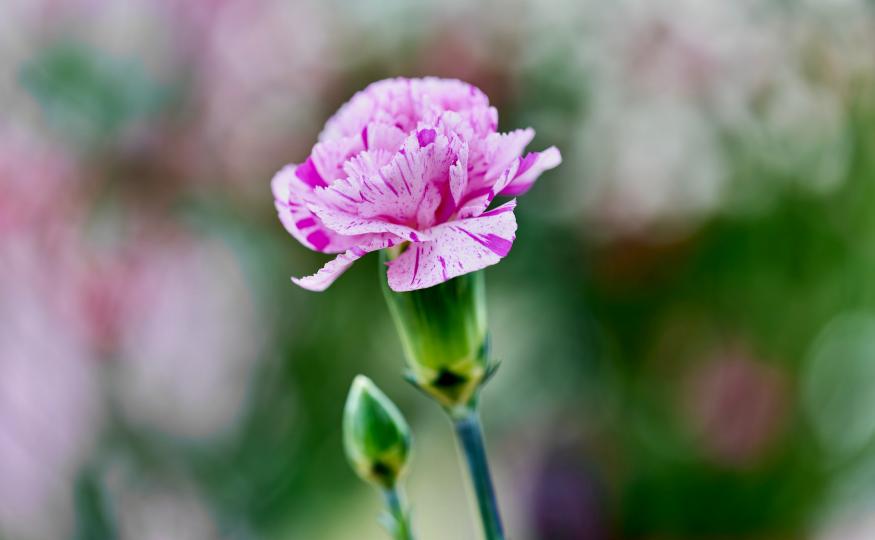
1. Yellow Carnations — Disappointment and Rejection
Carnations are usually associated with admiration and love. However, yellow carnations carry a very different message.
Traditionally, they symbolize disappointment, rejection, or even disdain. In Victorian symbolism, giving someone yellow carnations could imply that the relationship had gone sour.
Better alternative:
If you want to express admiration, choose pink carnations, which symbolize gratitude and affection.
2. Orange Lilies — Pride and Arrogance
Lilies are elegant and widely used in bouquets, but the bright orange variety can send a surprising signal.
Orange lilies may represent pride, confidence, and sometimes arrogance. While not necessarily negative in every context, the message can feel overwhelming in romantic gifts.
When they work best:
Orange lilies are better suited for celebrations of achievements rather than romantic gestures.
3. Yellow Roses — Jealousy or Friendship
Today, yellow roses often symbolize friendship and happiness. But historically, they had a darker meaning.
In the early days of floriography, yellow roses were linked to jealousy and infidelity. While modern interpretations have softened, the older symbolism still surprises many people.
Tip for gifting:
Yellow roses are perfect for friends, but for romance, red roses remain the safest choice.
4. Striped Carnations — Refusal
Striped carnations may look beautiful, but their meaning can be quite direct.
In traditional symbolism, striped carnations represent “no” or refusal. They were sometimes used to politely decline a romantic proposal.
Good to know:
If you’re creating a romantic bouquet, it’s best to avoid striped carnations altogether.
5. Petunias — Anger and Resentment
Petunias are cheerful garden flowers, but their symbolism can be surprisingly intense.
These blooms are sometimes associated with anger, resentment, or lingering frustration. In some interpretations, they symbolize feelings that are difficult to let go of.
Where they shine:
Petunias work beautifully in garden arrangements or casual décor, but they’re rarely chosen for meaningful gifts.
6. Lavender Hyacinths — Apology and Regret
Hyacinths are fragrant spring flowers with a wide range of meanings depending on their color.
Lavender hyacinths symbolize sorrow, apology, and regret. While this meaning isn’t entirely negative, it carries a strong emotional tone.
Perfect for:
These flowers can be meaningful when offering a sincere apology or expressing sympathy.
7. Buttercups — Childishness
Bright and cheerful buttercups may remind people of sunny meadows and childhood memories.
However, in traditional symbolism, buttercups represent childishness or immaturity. The meaning likely comes from their playful appearance.
Best use:
Buttercups are wonderful in wildflower arrangements, but they may not be ideal for formal gifts.
8. Yellow Chrysanthemums — Neglected Love
Chrysanthemums carry different meanings depending on culture. In some regions, they represent joy and longevity.
However, yellow chrysanthemums have been associated with neglected love or sorrow in certain flower traditions.
Interestingly, in countries like Japan, chrysanthemums are highly respected and symbolize nobility and the imperial family.
Lesson:
Flower meanings can change dramatically across cultures.
9. Black Roses — Death and Farewell
Black roses don’t occur naturally, but dark red roses are often used to create the illusion.
These dramatic flowers typically symbolize death, endings, or farewell. They are sometimes used in gothic aesthetics or symbolic storytelling.
Modern interpretation:
Today, black roses may also represent rebirth or major life transformation.
10. Marigolds — Grief and Despair
Marigolds are vibrant flowers often associated with sunshine and festivals.
However, in certain traditions, they symbolize grief, despair, or mourning. Their connection to remembrance rituals contributes to this meaning.
At the same time, marigolds are deeply celebrated during Día de los Muertos, where they guide spirits back to their families.
Cultural reminder:
The meaning of flowers often depends on the context and culture in which they are given.
Why Flower Meanings Still Matter Today
While most people today choose flowers based on color, beauty, or fragrance, symbolism still adds an extra layer of meaning to a bouquet.
Understanding flower meanings can help you:
• Choose a bouquet that perfectly matches the occasion
• Avoid sending mixed signals
• Add thoughtful symbolism to your gift
• Create deeper emotional connections
For florists and gift-givers alike, flower symbolism turns a simple bouquet into a story told through petals.
How to Choose the Right Flowers for Gifting
If you want your flower gift to feel thoughtful and meaningful, keep these tips in mind:
1. Consider the occasion
Romantic gestures, celebrations, and sympathy flowers all carry different expectations.
2. Think about color symbolism
Colors can dramatically change a flower’s meaning.
3. Know the recipient’s preferences
Sometimes personal taste matters more than symbolism.
4. Keep cultural meanings in mind
Flower traditions vary around the world.
When in doubt, classic blooms like roses, tulips, or peonies are usually safe and meaningful choices.
Final Thoughts
Flowers are more than just beautiful decorations—they are powerful emotional messengers. By understanding their hidden meanings, you can transform a simple bouquet into a thoughtful, intentional gift.
Whether you’re celebrating love, friendship, or a special milestone, choosing the right flowers helps your message bloom beautifully.
Looking for a meaningful bouquet for someone special?
Explore beautifully curated floral arrangements and send your message with elegance at inbloom.id. You can easily order fresh flowers online at inbloom.id and make every moment unforgettable with the perfect bouquet.