
Flowers are often seen as part of the moment—an elegant detail that completes a wedding aisle, brightens a birthday table, or softens the atmosphere of a formal gathering. Yet their influence doesn’t end when the music fades or the guests leave. Long after an event concludes, flowers continue to live on in memory, emotion, and meaning.
So why does the impact of flowers last beyond the event itself? The answer lies in how flowers connect to human emotion, memory, and storytelling. More than décor, flowers become silent witnesses to meaningful moments—and that’s what makes their presence endure.
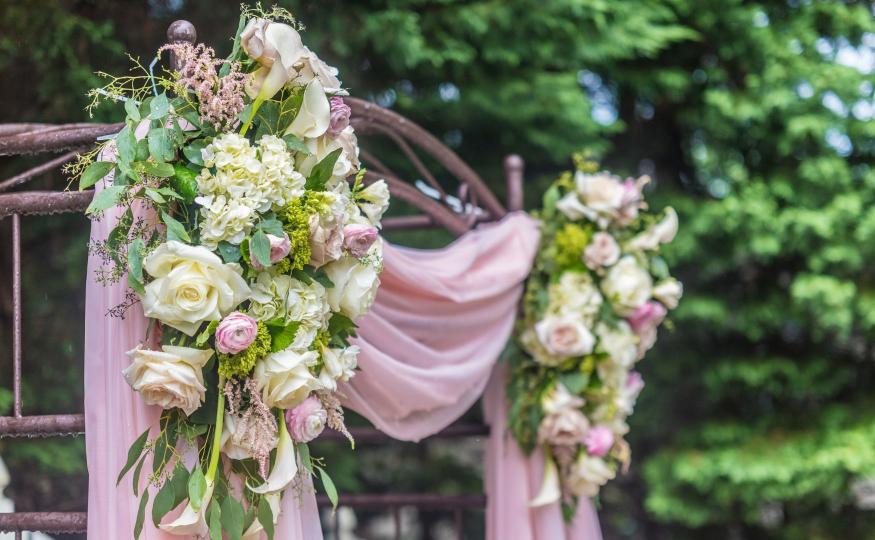
Flowers Create Emotional Anchors
One of the most powerful reasons flowers leave a lasting impact is their ability to anchor emotions. Humans naturally associate scents, colors, and visual beauty with memory. A specific floral arrangement can instantly bring someone back to a moment in time—how they felt, who they were with, and what the occasion meant.
Think of a bridal bouquet carefully chosen for a wedding day. Years later, seeing the same type of flower can revive feelings of excitement, love, and anticipation. Flowers become emotional bookmarks, preserving the essence of an experience long after it passes.
Visual Beauty That Becomes Memory
Flowers don’t just decorate an event—they define its visual identity. They frame photographs, enhance lighting, and create focal points that guests remember long after the event is over.
When people recall an event, they often remember:
• The colors of the floral arrangements
• The flowers lining the entrance
• The table centerpieces
• The bouquet held during a meaningful moment
These visual impressions become part of the story. Flowers shape how an event is remembered, not just how it looked at the time.
Flowers Tell a Story Without Words
Every event has a narrative, and flowers quietly help tell it. The choice of blooms, colors, and arrangements reflects intention—romance, celebration, gratitude, remembrance, or unity.
For example:
• Soft pastels tell a story of tenderness and calm
• Bold florals convey joy and confidence
• White flowers suggest purity, peace, or reverence
Even after the event ends, that story remains. Guests don’t just remember the flowers—they remember what the flowers meant.
The Sensory Power of Flowers
Few elements engage the senses as fully as flowers. Their fragrance, texture, and color work together to create a multi-sensory experience. And sensory memories are among the strongest and longest-lasting.
A subtle floral scent can unexpectedly transport someone back to a specific celebration or milestone. This is why flowers often linger in memory more vividly than other decorative elements, such as fabric or lighting.
The sensory nature of flowers makes them emotionally unforgettable.
Flowers Become Personal Keepsakes
In many events, flowers don’t disappear once the celebration ends. They are kept, dried, pressed, or repurposed—turning into tangible reminders of meaningful days.
Some common ways flowers live on include:
• Dried wedding bouquets
• Pressed flowers in frames or journals
• Table arrangements brought home by guests
• Plants that continue growing long after the event
These preserved blooms extend the emotional life of the event, allowing people to revisit the moment again and again.
Shared Experiences Strengthen Their Impact
Flowers are experienced collectively. Guests see them, admire them, photograph them, and talk about them together. This shared appreciation amplifies their emotional effect.
When multiple people associate the same flowers with a meaningful event, the memory becomes communal. Over time, those flowers become symbolic—not just to one person, but to everyone who was part of that experience.
This shared connection helps flowers transcend the moment and become part of the collective memory.
Flowers Mark Milestones, Not Just Moments
Events are often markers of transition—beginnings, endings, achievements, and transformations. Flowers naturally align with these milestones because they themselves symbolize growth, change, and beauty over time.
Weddings, anniversaries, graduations, memorials, and celebrations of life are all moments where flowers play a central role. Because these milestones shape people’s lives, the flowers associated with them carry lasting emotional weight.
They don’t fade when the event ends—they evolve into symbols of life chapters.
The Afterlife of Flowers in Photos and Stories
In today’s digital age, flowers live on through photographs, videos, and shared stories. Event photos featuring florals are revisited, shared, and treasured for years.
Flowers appear in:
• Wedding albums
• Social media memories
• Family photo frames
• Anniversary reflections
Each time those images resurface, the flowers quietly reappear—reigniting the feelings tied to that day.
Flowers Create Atmosphere That Shapes Experience
Atmosphere is what separates an ordinary gathering from a memorable one. Flowers play a key role in shaping mood—making spaces feel welcoming, intimate, joyful, or serene.
People may not always consciously analyze floral design, but they feel its effect. That emotional atmosphere stays with them long after the event ends, influencing how they remember the entire experience.
Flowers don’t just decorate space—they transform it.
Why People Return to Flowers Again and Again
If flowers were merely temporary decorations, people wouldn’t continue choosing them for life’s most important moments. Yet across cultures and generations, flowers remain essential.
This is because their impact extends beyond aesthetics:
• They express emotion
• They preserve memory
• They tell stories
• They connect people
Flowers become part of how humans mark meaning—and meaning lasts.
Final Thoughts
Flowers may fade with time, but the emotions they create often remain. They become part of the memories we revisit, the stories we tell, and the moments we hold close long after the event has passed.
If you want to create moments that linger beyond the celebration itself, ordering thoughtfully designed flowers from inbloom.id is a meaningful way to leave a lasting impression—crafted with care, intention, and emotional depth.